Blog
Why Most Entrepreneurs Stay Broke and How to Break the Cycle
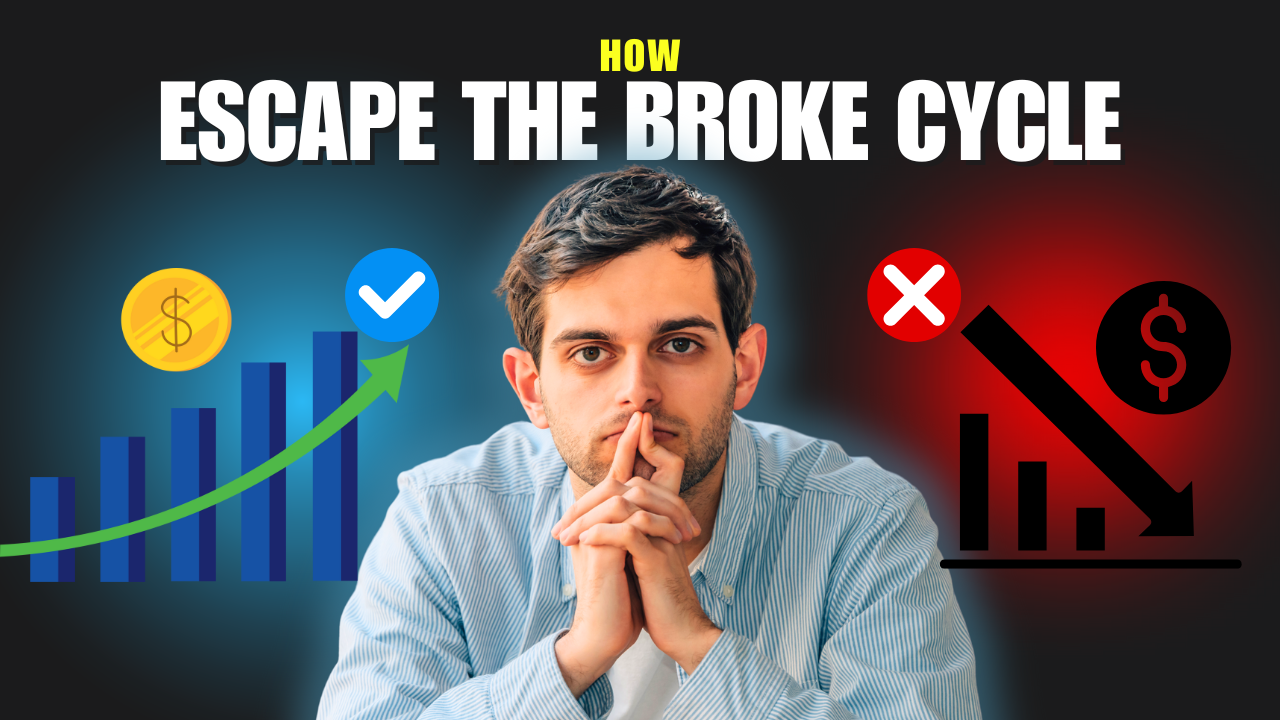
Many entrepreneurs generate decent revenue yet remain financially stressed year after year. This paradox is common across the USA, Canada, and broader North America. The issue is rarely intelligence or effort. More often, it is rooted in hidden patterns, flawed strategies, and unexamined money beliefs.
This article breaks down why so many business owners stay stuck in survival mode. More importantly, it explains how to shift from short-term income chasing into long-term wealth creation through mindset and strategic changes that compound over time.
The Hidden Reasons Entrepreneurs Never Build Real Wealth
Most entrepreneurs assume wealth will naturally arrive once revenue grows. In reality, income alone does not produce financial security. Without intentional structure, higher earnings simply lead to higher stress, expenses, and dependency on constant activity.
Across North America, many business owners unknowingly build income traps instead of wealth engines. These traps feel productive in the short term but quietly prevent capital accumulation and long-term freedom.
using Cash Flow With True Wealth
Positive cash flow feels like success, but it is not the same as wealth. Cash flow depends on continued effort, attention, and presence. When work stops, income often stops too.
Wealth, by contrast, is accumulated value that exists independently of daily labor. Entrepreneurs who confuse these concepts may earn well yet remain vulnerable to burnout, market shifts, or health interruptions.
Chasing Revenue Without a Wealth Plan
Revenue growth without a wealth plan creates instability. Many entrepreneurs focus entirely on top-line sales while ignoring asset building, capital allocation, and long-term positioning.
This approach leads to cycles of hustle followed by exhaustion. Without a clear strategy for converting income into owned value, businesses become expensive jobs rather than vehicles for financial freedom.
Psychological Traps That Keep Entrepreneurs Playing Small
Financial struggle is often reinforced by invisible psychological loops. These mental patterns shape decisions long before numbers appear on a balance sheet.
Entrepreneurs in the USA and Canada frequently normalize stress and overwork, mistaking sacrifice for progress. This mindset limits vision and locks businesses into low-leverage growth paths.
Fear-Based Decision Making
Fear influences pricing, hiring, and investment choices. Entrepreneurs afraid of losing money underprice services, delay hiring, and avoid strategic risks that enable scale.
Fear-based decisions feel safe in the moment but compound limitation over time. They keep businesses reactive and prevent the calculated bets required for meaningful financial expansion.
Overworking Instead of Leveraging
Many entrepreneurs rely on effort instead of design. They work longer hours rather than building systems, teams, or automation that multiply output.
Hard work alone creates linear growth. Leverage creates exponential growth. Without leverage, income remains tightly bound to personal energy and time, making long-term wealth mathematically impossible.
Strategic Shifts That Create Sustainable Wealth
Breaking the broke cycle requires intentional shifts in how business is structured and how money is treated. Wealth is not a side effect. It is a result of deliberate strategy.
Entrepreneurs who build sustainable wealth think beyond monthly survival. They design decisions to serve future stability, optionality, and independence.
Building Assets Alongside a Business
Wealthy entrepreneurs use their businesses as funding engines for assets. These assets may include equities, intellectual property, equity investments, or scalable systems.
By consistently transferring business income into owned assets, they reduce reliance on active work. Over time, assets begin to generate income that replaces operating revenue.
Turning Business Income Into Long-Term Freedom
Financial freedom emerges when income is no longer tied to presence. This transition requires discipline, patience, and clarity about long-term objectives.
Entrepreneurs across North America who achieve freedom treat income as raw material. Instead of spending first, they allocate capital toward investments that create future cash flow and resilience.
This shift transforms business ownership from a stress source into a strategic advantage. The business becomes a means to an end, not a lifelong obligation.
If you want to escape the broke cycle and redesign your business around wealth instead of survival, explore our strategic mindset and wealth training programs at: wealthbuilderschool
Our frameworks are built for entrepreneurs in the USA and Canada who want clarity, leverage, and long-term financial freedom.
Why do so many entrepreneurs struggle financially despite good income?
Because income without strategy leads to lifestyle inflation, overwork, and zero asset accumulation.
Is mindset really a factor in financial struggle?
Yes. Wealth mindset influences pricing, leverage, risk tolerance, and long-term planning decisions.
How can entrepreneurs start building wealth while running a business?
By separating personal income from capital allocation and consistently investing profits into assets.
Does this apply to small businesses in North America?
Absolutely. These principles are especially relevant in competitive USA and Canada markets.
What is the first step to breaking the broke cycle?
Stop optimizing only for revenue and start designing a clear wealth-building strategy.
Can financial freedom be achieved without selling the business?
Yes. Many entrepreneurs build freedom by extracting cash flow and investing it strategically over time.

Let's Discover Your True Potential
We will do a needs assessment, and design a program that meets your specific needs.