Blog
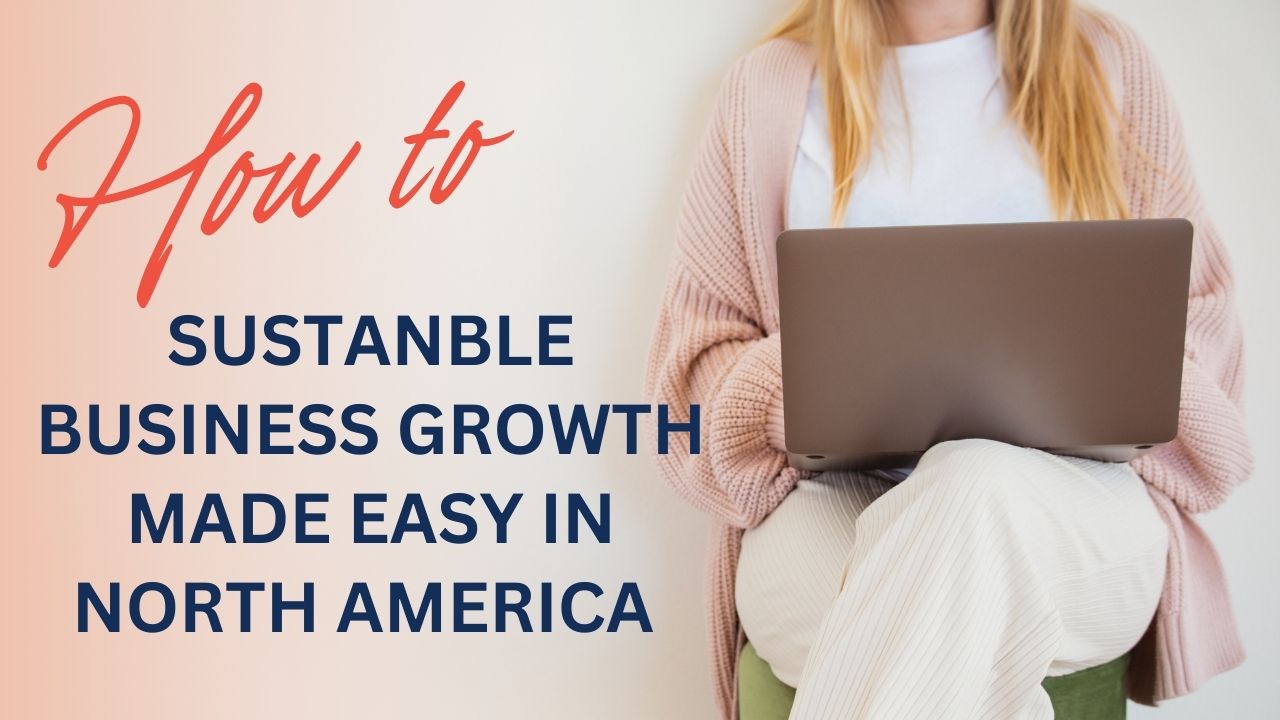
Sustainable North American Business Growth Made Easy
. Overlooking Market Research and Customer Insights
Many entrepreneurs skip deep audience analysis, causing poor market positioning and missed growth opportunities.
. Failing to Build Scalable Systems Early On
Weak or manual systems crumble when demand rises, creating chaos that can be avoided through early process design and automation.
. Neglecting Financial Discipline and Cash Flow Management
Lack of budgeting and oversight drains profitability and exposes businesses to unnecessary financial risk.
. Trying to Do Everything Alone Without Delegation
Refusing to delegate slows growth, depletes energy, and prevents leaders from focusing on high‑impact strategy.
. Ignoring Personal Well‑Being and Entrepreneurial Resilience
Overwork and neglecting recovery reduce creativity, decision quality, and long‑term leadership stamina.
. From Avoiding Mistakes to Achieving Growth Through Coaching
True transformation happens when insights become action — and structured coaching provides the accountability and clarity to sustain that growth.
Recognizing the Early Signs of Burnout in Entrepreneurs
Burnout rarely happens overnight — it’s the result of prolonged stress, imbalance, and overcommitment. For entrepreneurs, especially in the fast‑paced U.S. market, early signs often appear as subtle changes in physical health: frequent headaches, disrupted sleep, or constant fatigue even after rest. Emotionally, you might notice increased irritability, loss of motivation, or feeling overwhelmed by tasks that once excited you. These shifts can creep in quietly, making it easy to dismiss them as “just a busy week,” when in reality they’re warning signals that your capacity is being drained faster than you can recharge.
On the business side, burnout often reveals itself in declining performance and decision quality. Maybe deadlines start slipping, creativity feels blocked, or strategic thinking is replaced by reactive problem‑solving. Client relationships might suffer as communication becomes rushed or fragmented. Recognizing these indicators early allows entrepreneurs to intervene before the damage becomes systemic — preserving not only personal health but also the stability and reputation of the business. By connecting these dots sooner rather than later, you can take proactive steps toward mental resilience and sustainable growth without letting burnout dictate the direction of your company.
Optimizing Workload Through Smart Prioritization
For entrepreneurs, every hour spent working should contribute directly to long‑term goals — not just keep the business “busy.” Smart prioritization starts with identifying high‑impact tasks, the ones that move key metrics forward, and building daily and weekly structures around them. Instead of reacting to whatever pops into your inbox or calendar, anchor your schedule to strategic priorities. This might mean dedicating focused time blocks to client acquisition, product development, or strategic partnerships, while lower‑value or routine tasks are delegated or batched together. By consciously reducing time spent on urgent but low‑importance work, you protect mental energy and maintain clarity.
Managing workload also involves realistic capacity planning. Entrepreneurs often underestimate the mental toll of context‑switching and overcommitment. By aligning priorities to available energy rather than maximum possible hours, you create a sustainable rhythm that avoids burnout while increasing output quality. Weekly reviews help detect when priorities drift and ensure resources stay directed toward the highest returns. In the competitive U.S. market, this discipline is more than a productivity hack — it’s a survival strategy, enabling business growth without sacrificing well‑being or strategic vision.
Balancing Business Growth with Personal Well Being
In the high‑pressure environment of entrepreneurship, rapid business growth often competes directly with the time and energy needed for personal well‑being. Yet, sustainable success requires treating health and relationships as strategic assets, not afterthoughts. Maintaining consistent sleep patterns, nourishing your body with quality food, and integrating regular physical activity can significantly boost mental clarity and decision‑making power. Beyond physical health, nurturing close relationships ensures you remain grounded and supported, reducing the sense of isolation that can accompany leadership roles. This balance is not a luxury — it’s a structural necessity for entrepreneurs to remain resilient and creative in a competitive market.
Continued expansion without personal care is a recipe for burnout and short‑sighted choices. Embedding periods of rest, reflection, and non‑work activities into your calendar helps to recharge emotional energy and keep stress from becoming a constant state. Mental clarity also benefits from mindfulness practices or focused downtime, allowing the mind to process complex challenges in a more strategic, less reactive manner. The entrepreneurs who thrive long‑term are those who view well‑being as a direct driver of performance, ensuring their growth path is both profitable and personally fulfilling.
Leveraging Systems, Tools, and Delegation to Reduce Stress
For entrepreneurs, especially in the competitive U.S. business landscape, stress often comes from trying to handle every task personally. Leveraging systems and tools transforms this dynamic by helping you build processes that run smoothly without constant supervision. Automation software can manage repetitive tasks such as invoicing, email follow‑ups, or inventory tracking, freeing your schedule for high‑impact work. Outsourcing specialized tasks — from digital marketing to accounting — ensures you benefit from expert knowledge without expanding your workload. By implementing these systems early, you create a business infrastructure that supports growth and limits the mental and physical toll of daily operations.
Effective delegation is equally critical for maintaining long‑term energy. A well‑managed team enables you to distribute responsibilities according to individual strengths, ensuring that work is done efficiently and at a high standard. Clear communication channels, defined roles, and measurable goals prevent confusion and reduce bottlenecks. When your team operates through structured systems rather than ad‑hoc instructions, you gain both control and flexibility. Ultimately, using technology, outsourcing, and delegation in harmony allows you to scale strategically — reducing stress, protecting your health, and positioning your business for sustainable success.
Creating a Long Term Growth Strategy That Avoids Overwork
Sustainable business growth comes from disciplined planning rather than relentless hustle. A well‑structured long‑term strategy begins with defining clear, measurable goals that connect directly to your vision — revenue targets, market expansion milestones, or product development timelines. Instead of chasing every opportunity, focus on building systems that allow the business to grow steadily without requiring constant manual effort from you. This includes balancing reinvestment with healthy cash flow, planning resources ahead of demand, and integrating scalable processes that prevent bottlenecks as your customer base grows. By thinking in terms of years instead of weeks, entrepreneurs create a growth path that supports longevity and stability.
Performance tracking is the backbone of this approach, ensuring you stay aligned with your objectives while avoiding the trap of overwork. Using data‑driven metrics — sales conversion rates, client retention, efficiency ratios — allows you to make informed adjustments without resorting to last‑minute firefighting. Regular strategy reviews help spot emerging challenges before they escalate, enabling changes that maintain momentum without exhausting the team or leadership. In the competitive U.S. market, this blend of foresight, discipline, and balance produces resilient growth, protecting both the entrepreneur’s well‑being and the long‑term value of the company.
Turning Awareness into Action Through Professional Coaching
Recognizing the challenges of burnout and learning strategies to prevent it is only half the journey — transformation happens when that awareness is translated into consistent, effective action. Professional coaching provides entrepreneurs with structured accountability, ensuring that insights gained about workload management, well‑being, and strategic planning are implemented rather than forgotten. A skilled coach helps reprogram unproductive patterns, challenge limiting beliefs, and create personalized frameworks that align daily actions with long‑term goals. This guidance not only accelerates progress but also builds resilience, enabling leaders to stay focused even when market pressures intensify.
For growth‑minded business owners, coaching becomes the bridge between knowledge and sustained success. It offers an external perspective to course‑correct when priorities drift and acts as a catalyst to unlock peak performance without sacrificing health or balance. Through Wealth Builder School, this philosophy comes to life — empowering you to rewire your thinking, scale your U.S. business strategically, and create the lifestyle you envisioned when you first became an entrepreneur. With personalized coaching support, the path forward becomes clearer, more intentional, and far less exhausting.

Let's Discover Your True Potential
We will do a needs assessment, and design a program that meets your specific needs.